What is Holy Baptism?
Holy Baptism is the first and foundational sacrament of the Christian life — the gateway through which we enter the Body of Christ. In the Anglican tradition, it is understood as a sacrament ordained by Christ himself, in which water and the Word together become the outward visible sign of an inward spiritual grace.
Through Baptism, we are united with Christ in his death and resurrection, cleansed from sin, born again by water and the Spirit, and made members of Christ's Church. It is a once-for-all event (so long as you are baptised in the Triune name of God) that marks the beginning of a lifelong journey of faith.
"We were therefore buried with him through baptism into death, in order that, just as Christ was raised from the dead through the glory of the Father, we too may live a new life."
— Romans 6:4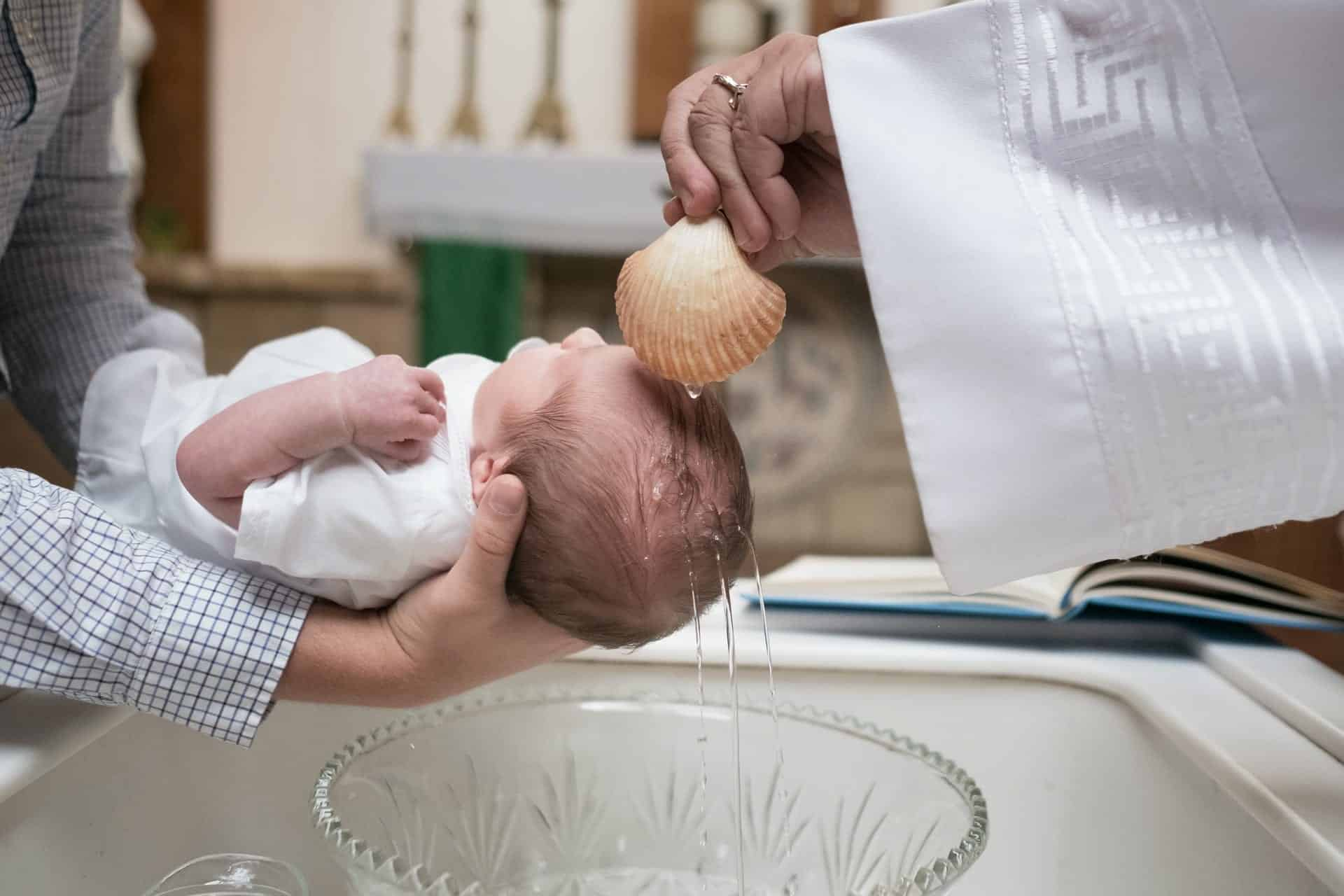
The Anglican Understanding of Baptism
The Anglican Church of Southern Africa (ACSA), and the Diocese of False Bay within it, follows the classic Anglican theology of Baptism as expressed in the Anglican Prayer Book and the liturgical rites of the Church. Anglicanism upholds Baptism as one of the two sacraments ordained by Christ in the Gospels — the other being Holy Communion.
We affirm baptism in the Trinitarian formula — "in the name of the Father, and of the Son, and of the Holy Spirit" — and recognise the baptism administered by other Christian denominations that use this formula and water, in accordance with our ecumenical commitments.
In the Diocese of False Bay, both infant baptism (paedobaptism) and adult baptism are practised. Infant baptism is administered on the basis of the faith of the parents and the wider Christian community, who take on the responsibility of raising the child in the Christian faith.
Symbols of Baptism
The Baptismal rite is rich in symbols, each carrying profound theological meaning:
Water
The primary sign — cleansing, life, death, and resurrection all contained in the waters of the font.
The Candle
Given as a symbol of Christ the Light of the World. The baptised are called to shine as lights in the world.
Chrism Oil
Anointing signifies the sealing of the Holy Spirit and sharing in Christ's priestly and prophetic vocation.
White Garment
Symbolises the putting on of Christ and the purity of new life — a sign of righteousness in him.
Sign of the Cross
Made on the forehead — marking the newly baptised as belonging to Christ, sealed by the Holy Spirit.
The Holy Spirit
Invoked over the water and the person — recalling the Spirit's descent at Jesus' own baptism in the Jordan.
Who May Be Baptised?
Infant Baptism
Infants and young children may be baptised when at least one parent or legal guardian is a baptised Christian and sincerely undertakes to bring the child up in the Christian faith and practice of the Church. Godparents play an important role — they must be baptised and, ideally, confirmed members of the Church who will support the child in their faith journey.
Adult Baptism
Adults who have not been baptised are welcomed to receive the sacrament after a period of preparation in the faith. This preparation — often called the catechumenate — involves instruction in the Christian faith, prayer, and discernment. Adult baptism is typically administered at the Easter Vigil, the most significant baptismal occasion in the Church's year, though it may take place at other times as well.
Preparing for Baptism
We encourage families and individuals to prepare prayerfully and thoughtfully for this important step. The process typically involves the following:
-
Contact your local parishReach out to your nearest Anglican parish within the Diocese of False Bay to express your intention to seek Baptism for yourself or your child.
-
Meet with the clergyThe parish priest will meet with you to discuss the meaning of Baptism, your own faith, and the responsibilities you or the parents are undertaking.
-
Baptism preparationAttend baptism classes. For adults, infants, parents and godparents attend a baptism preparation class offered by the parish.
-
Arrange the dateBaptisms are usually administered on Sundays within the regular Sunday Eucharist so that the whole congregation may witness and welcome the newly baptised. Easter Vigil, Pentecost, and Epiphany are particularly appropriate times.
-
The Baptism ServiceThe sacrament is administered using the rite from the Prayer Book of the Church of the Province of Southern Africa (CPSA), with the Trinitarian formula and the pouring or immersion of water.
What to Bring
- Completed Baptism registration form (available from your parish)
- Original birth certificate (for infant baptisms)
- ID card/document (for adult baptism candidates)
- An open and willing heart, ready to receive the grace of God
Baptism and Confirmation
In the Anglican tradition, Baptism and Confirmation are closely related. Those baptised as infants are later invited to make a personal, mature profession of faith at Confirmation — typically in their teenage years or adulthood — when they are anointed with chrism by the Bishop and received as full communicant members of the Church.
Adults baptised in full consciousness of their faith may be Confirmed at the same service or shortly thereafter. Confirmation deepens and completes the grace of Baptism, and marks the individual's own affirmation of the promises made on their behalf.
"For in one Spirit we were all baptized into one body — Jews or Greeks, slaves or free — and all were made to drink of one Spirit."
— 1 Corinthians 12:13Baptism within the Eucharistic Community
In the Diocese of False Bay, Baptism is administered within the context of the Sunday Eucharist wherever possible. This is deeply intentional — Baptism is not a private family occasion but an act of the whole Church. The congregation, by their presence, affirm their own baptismal promises and commit to welcoming and nurturing the newly baptised in the faith.
The newly baptised are then welcomed to receive Holy Communion, completing their full initiation into the Body of Christ.